Skip to content
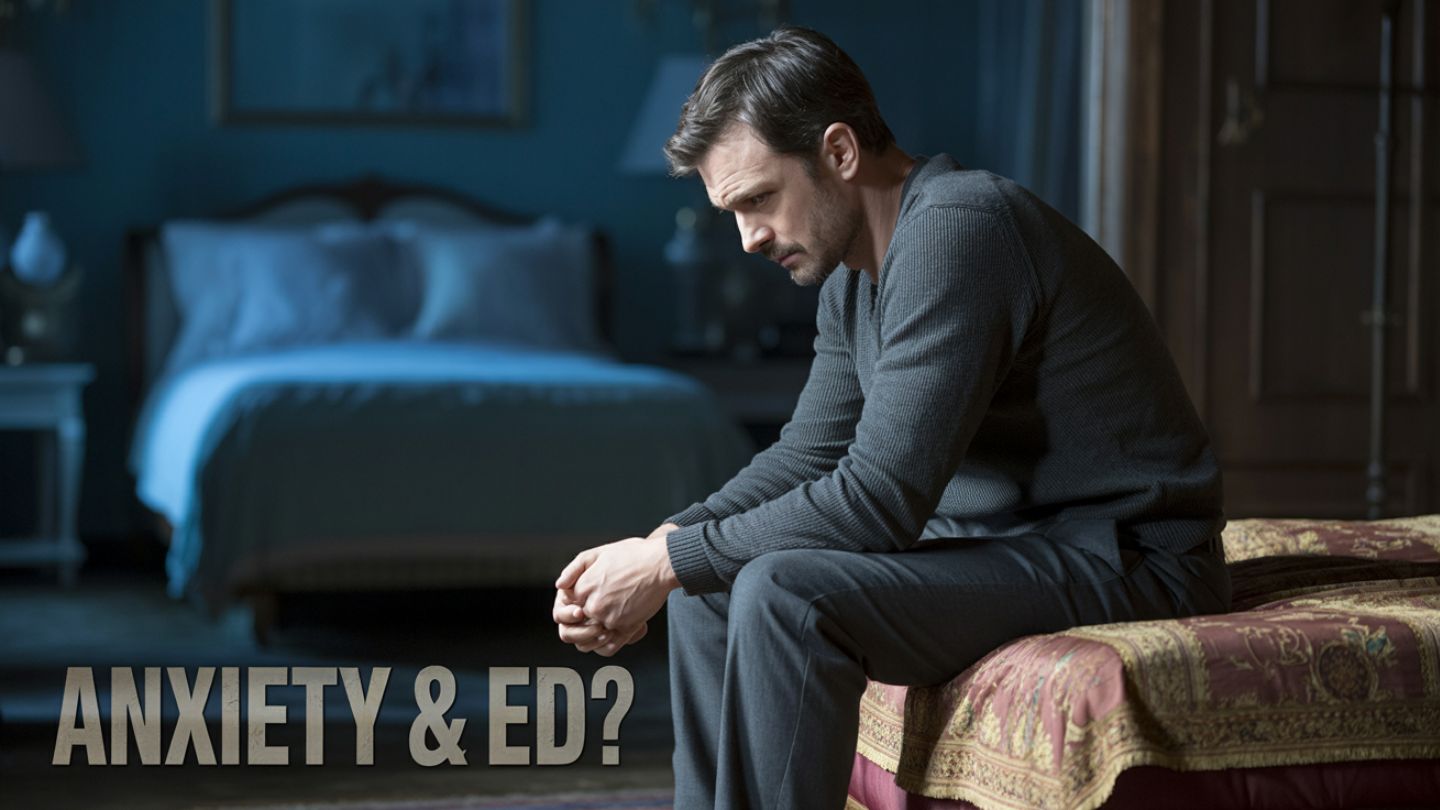
Can anxiety cause erectile dysfunction? Yes, it can. Anxiety impacts sexual performance by making it hard to get and keep an erection. In this blog, we will delve into how anxiety affects erectile function and share practical steps to manage both anxiety and erectile dysfunction.
Key Takeaways
- Anxiety can significantly contribute to erectile dysfunction by triggering stress responses that reduce the blood flow necessary for erections.
- Performance anxiety creates a vicious cycle where fear of sexual inadequacy exacerbates erectile dysfunction, leading to increased anxiety.
- Effective management of anxiety through therapies like CBT, lifestyle changes, and medical treatments is crucial for improving erectile health.
Understanding Anxiety and Erectile Dysfunction
Anxiety is more than just a fleeting feeling of worry or fear. It can be a chronic condition marked by persistent feelings of nervousness, panic, or unease about uncertain outcomes. This state of constant worry can interfere with numerous aspects of daily life, including sexual performance. When people experience anxiety, it can become overwhelming and manifest in various physical and psychological symptoms, one of which is erectile dysfunction.
Many men link their ability to get and maintain an erection to their self-worth and masculinity. Anxiety can interfere with this by making it difficult to achieve and maintain erections. Erectile dysfunction can arise from both physical and psychological issues, with anxiety being a significant psychological factor. Risk factors for erectile dysfunction include not just age-related changes but also mental health conditions like anxiety.
The onset of erectile dysfunction can create a feedback loop where performance stress leads to increased anxiety, complicating sexual performance further. One of the most common questions asked is what’s the main cause of erectile dysfunction, and it’s often related to reduced blood flow to the penis, which can result from physical, psychological, or lifestyle factors.
Erectile dysfunction is essentially characterized by the inability to achieve an erection. It also includes the inability to maintain an erection that is adequate for satisfying sexual activity, including maintaining erections. This inability is primarily due to the reduced blood flow to the penis, which can cause erectile issues crucial for erections. Recognizing the connection between anxiety and erectile dysfunction is crucial for finding effective solutions.
How Anxiety Affects Sexual Health

The physiological mechanisms of anxiety can profoundly impact sexual health, particularly erectile function:
- Anxiety triggers the body’s stress response, activating the sympathetic nervous system.
- This response, often referred to as the ‘fight or flight response’ mechanism, redirects blood flow away from non-essential functions like sexual arousal.
- Blood flow is prioritized to vital organs and muscles needed for immediate survival.
- As a result, the blood flow needed to achieve and maintain erections is significantly reduced.
Moreover, anxiety can lower levels of sexual steroids, which diminishes sexual motivation and impairs erectile function. The body’s reaction to stress, such as increased heart rate, higher blood pressure, rapid breathing, and sexual function, can further inhibit sexual performance.
The culmination of these physiological changes means that anxiety doesn’t just affect mental health; it also poses a direct threat to sexual health, making it a critical issue to address for overall well-being.
Performance Anxiety and Its Impact
Performance anxiety is a specific type of anxiety disorder characterized by the fear of not performing well sexually. This fear can be so overwhelming that it leads to difficulties in getting or maintaining an erection, creating a vicious cycle of worry and sexual dysfunction. When a man experiences sexual performance anxiety about his sexual performance, it can cause immediate stress, which interferes with the body’s ability to prioritize sexual activity over survival functions.
Focusing on the present moment during sexual activity, instead of worrying about the outcome, can help combat performance anxiety. Techniques like Sensate Focus, which encourages partners to concentrate on sensual sex med experience rather than performance, can be beneficial.
Cognitive Behavioral Therapy (CBT) is another effective approach, helping individuals reshape negative thought patterns and reduce anxiety. Through CBT, men can learn to break down overwhelming problems into manageable parts, making the brain play of sexual performance less daunting.
Symptoms of Anxiety and Erectile Dysfunction
Identifying the symptoms of anxiety-induced erectile dysfunction is essential for seeking timely help. Statistics show that 37% of people with erectile dysfunction also report having anxiety disorders. One of the primary symptoms is the difficulty in achieving or maintaining an erection, often due to the body’s stress response, which increases heart rate and blood pressure, redirecting blood flow away from the penis and can cause erectile dysfunction.
This redirection of blood flow makes it much harder, and sometimes impossible, to achieve a strong erection. Other common symptoms of chronic stress that can contribute to sexual problems include rapid heartbeat, muscle tension, and mood changes. Identifying these symptoms can help men understand the root cause of their erectile dysfunction and take steps towards effective treatment involving blood vessels.
Managing Anxiety for Better Sexual Health

Managing anxiety is crucial for improving sexual health and overall well-being. Techniques to help manage anxiety include:
- Practicing mindfulness to detach from anxiety-inducing thoughts and focus on the present moment.
- Engaging in mindfulness-based therapies that involve being aware of the present and accepting thoughts and feelings without judgment.
- Incorporating relaxation techniques, such as progressive muscle relaxation and abdominal breathing, to ease anxiety symptoms.
Managing stress effectively can significantly improve treatment outcomes for erectile dysfunction. Techniques to help manage chronic stress that affects erectile function include:
- Diaphragmatic breathing
- Progressive muscle relaxation
- Structured problem solving
- Learning assertiveness, which empowers individuals to express their needs and break down anxiety-inducing problems into manageable components.
Lifestyle changes such as regular exercise, limiting alcohol and drug use, and improving diet can also contribute to better sexual health. Managing mental health and making these lifestyle changes can lead to significant improvements in both anxiety and erectile dysfunction symptoms, including ed symptoms.
Treatment Options for Anxiety and Erectile Dysfunction
There are several treatment options available for anxiety-related erectile dysfunction, ranging from direct medical treatments to psychological therapies. Direct treatment options include:
- Medications like oral or injected medications
- Low-intensity focused shockwave therapy
- Testosterone replacement therapy
- Vacuum constriction devices
Stress management techniques such as cognitive behavioral sex therapy (CBST) and mindfulness can also improve erectile dysfunction by addressing the psychological components of the condition. Counseling can be particularly beneficial for couples dealing with erectile dysfunction due to emotional or relational stress, encouraging open communication and support.
It’s essential to seek healthcare professional guidance to ensure safety and effectiveness when selecting and using these treatments.
Cognitive Behavioral Therapy (CBT)
Cognitive Behavioral Therapy (CBT) is a highly effective technique for treating anxiety disorders, which can contribute to erectile dysfunction. CBT focuses on correcting negative thought patterns and behaviors that increase anxiety, making problems more manageable and reducing anxiety levels.
By breaking down overwhelming issues into smaller, more manageable parts, CBT helps individuals deal with anxiety in a structured way. This approach not only helps in reducing anxiety but also improves sexual health by addressing the root causes of performance anxiety and other anxiety-related issues.
Psychiatric Medication
SSRIs, or Selective Serotonin Reuptake Inhibitors, are widely prescribed for anxiety and depression. They are effective in helping manage these mental health conditions.
In some cases, dual therapy may be necessary to effectively address both anxiety and erectile dysfunction. This could involve using psychiatric medications alongside treatments specifically for erectile dysfunction, such as sildenafil or tadalafil. It’s important to work closely with healthcare providers to find a balanced treatment plan that addresses both conditions.
The Role of Physical Health in Managing ED
Physical health plays a crucial role in managing erectile dysfunction. Chronic stress can lead to higher cortisol levels, which negatively influence testosterone production and, consequently, erectile function. Losing body weight, particularly by 5% to 10%, can greatly improve erectile function.
Key factors that can alleviate anxiety symptoms and improve erectile function include:
- Regular physical activity, which burns off stress hormones and promotes relaxation.
- Engaging in regular exercise can significantly enhance erectile function.
- Dietary changes, such as increasing magnesium and vitamin B intake.
- Following a Mediterranean diet is associated with a reduced prevalence of erectile dysfunction.
Excessive alcohol intake is linked to a higher risk of erectile dysfunction, making it important to limit alcohol consumption. Regular health check-ups can help monitor and address erectile dysfunction and its potential links to other health conditions, including alcohol abuse. Healthcare professionals can identify underlying health issues contributing to erectile dysfunction and provide appropriate treatments.
Seeking Professional Help
Seeking professional help for erectile dysfunction is crucial for effective treatment and reducing the emotional stress it causes. Talking to a partner or a trusted person, like a doctor, about erectile function issues can be an important first step. When discussing erectile dysfunction with healthcare providers, it’s essential to inform them about any possible underlying medical conditions, including cardiovascular problems.
Mental health professionals or sexual therapists can help improve relationships and address erectile dysfunction. If erectile problems persist for a couple of weeks, it’s crucial to visit a doctor for evaluation and potential treatment. Encouragement and support in discussing erectile dysfunction with healthcare providers can lead to better health outcomes.
Moving Forward: Managing Anxiety and Erectile Dysfunction
Understanding the strong link between anxiety and erectile dysfunction is the first step toward effective management and improved well-being. While anxiety can be a significant contributor to ED, addressing both the emotional and physical aspects can help restore confidence and support overall sexual health. Seeking help early can make a meaningful difference in your quality of life.
If you’re ready to take control of your health, our team at ReBalanced Wellness Clinic is here to support you with personalized erectile dysfunction treatment in Atlanta. We offer compassionate, confidential care and tailored solutions to help you regain your confidence and achieve lasting results. Let us help you take the next step toward a healthier, more fulfilling life.
Frequently Asked Questions
Can anxiety and erectile dysfunction be treated together?
Yes, anxiety can indeed cause erectile dysfunction by interfering with the body’s stress response and impeding the necessary blood flow for an erection.
What are some effective treatments for anxiety-induced erectile dysfunction?
Effective treatments for anxiety-induced erectile dysfunction include cognitive behavioral therapy (CBT) and psychiatric medications like SSRIs. Addressing both the psychological and physical aspects can lead to improved outcomes.
How does physical health impact erectile dysfunction?
Physical health directly influences erectile dysfunction; maintaining regular exercise, a balanced diet, and a healthy weight can enhance erectile function and decrease the likelihood of issues. Prioritizing your physical well-being is crucial for achieving sexual health.
Why seek professional help for anxiety and erectile dysfunction?
It is crucial to seek professional help for erectile dysfunction as it can lead to effective treatment, alleviate emotional stress, and identify any underlying health issues that may be contributing to the problem. Prioritizing your health ensures a comprehensive approach to this condition.